Holy smoke—it’s been over a month since my last blog post. I’ve been deep in creating reels to keep up with the algorithm, and this space got away from me.
So let’s talk about where professional photography stands in today’s media landscape—and why it matters.
I said this in a recent post:
“Why use a real headshot? So we aren’t practicing deception as we present ourselves. If our goal is connection, start with truth.”
The same applies across the board—from portraits to products.

There are obvious cases where a real photographer is non-negotiable: weddings, events, graduations—moments that happen once, in real time, and deserve to be documented as they actually are. That’s not up for debate.
But what about everything else? Headshots. Senior portraits. Family images. Team sports. Product photography. These are the areas where AI is starting to creep in and raise a fair question:
Can AI replace real photography in a meaningful, credible way?
On the surface, it might seem like it can—especially with product work. We’re seeing a flood of AI-generated and AI-enhanced images in food, jewelry, and advertising. They’re fast. They’re inexpensive. And at a glance, they can look convincing.
But look a little closer.

Too often, these images fall apart under scrutiny. Details don’t quite make sense. Textures feel synthetic. Lighting is “perfect” in a way that doesn’t exist in the real world. And whether viewers can articulate it or not, they feel it.
And that feeling matters.
Because photography isn’t just about what something looks like—it’s about whether it can be believed.
When a company presents a product that doesn’t truly exist, or a person who doesn’t actually look like that, it introduces a subtle but real form of distrust. And in a marketplace where trust drives decisions, that’s a risk.
Real photography carries something AI can’t replicate: accountability. A real person stood in front of the lens. A real product existed in that light. A real moment happened. There is a direct line between what’s shown and what’s true.
That matters more than ever.
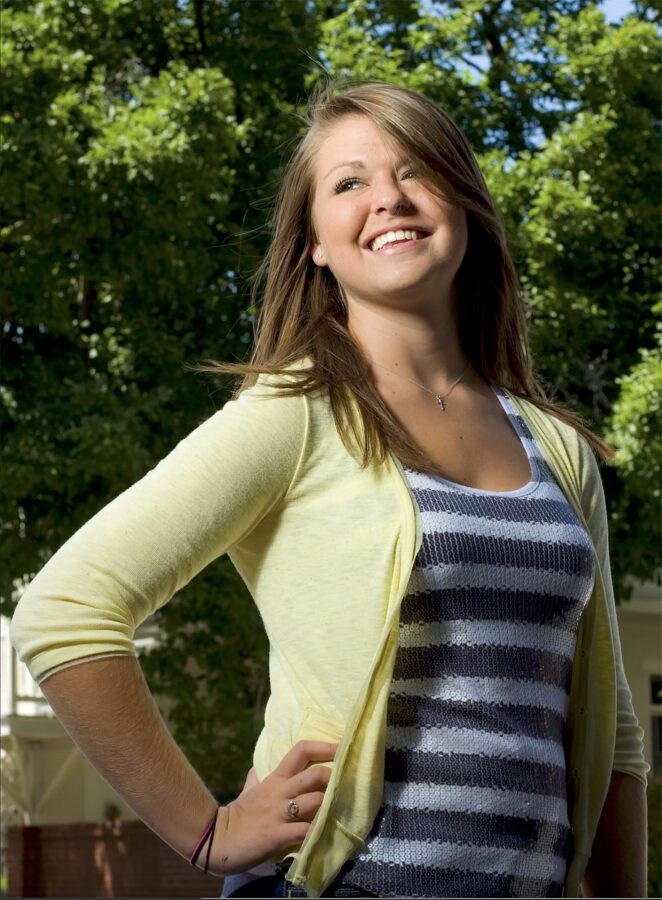
The images attached here are real headshots. Carefully lit, intentionally crafted, and designed to present each person at their best.
But most importantly—they’re honest.
And in a world increasingly filled with artificial imagery, honesty isn’t just a virtue.
It’s a competitive advantage, and something we should discuss for your needs.